
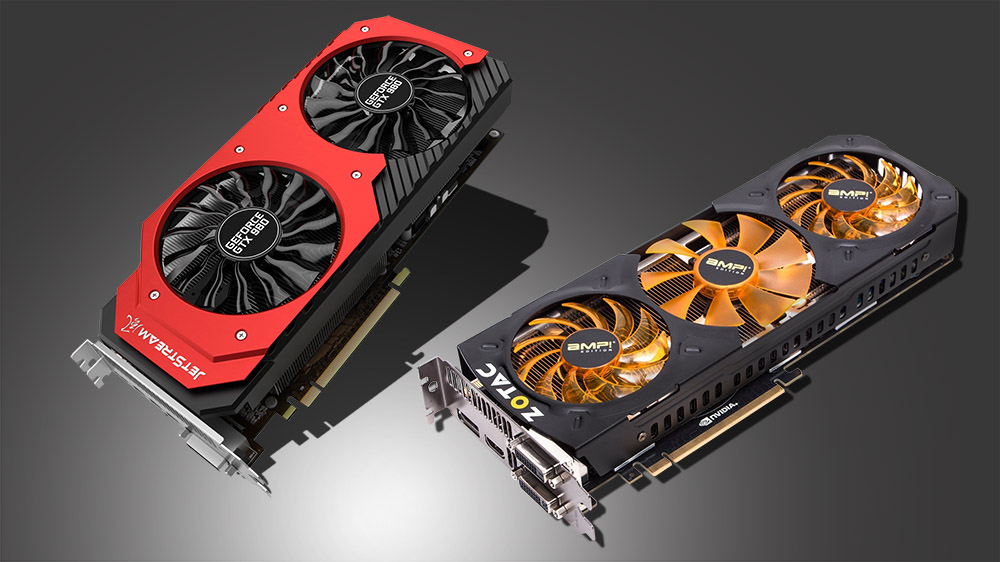
The RX 580 vs GTX 1060 debate is one of the longest-running arguments in the budget GPU space, and it started with a specific round of benchmarking back when both cards were current. We're revisiting that original comparison here — not a first-party lab run, but a walkthrough of the same ten-game, two-resolution test that shaped how people talk about this matchup.
The short version up front, because it matters more than any single game: the result flips depending on resolution. The GTX 1060 is the stronger pick at 1080p. The RX 580 pulls ahead in more titles once you move up to 1440p. Anyone telling you one card just "wins" is skipping that part.
The Test Configuration
The original comparison ran on:
- CPU / motherboard: Intel Core i7-7700K on a Z270 Extreme 4
- RAM: 32GB DDR4-3200
- Storage: Samsung 850 Evo 2TB SSD
- OS: Windows 10 Pro 64-bit
- Drivers: GeForce Game Ready 381.89 / Radeon Crimson ReLive 17.4.4
Cards on the bench:
- NVIDIA: MSI GTX 1060 Gaming X, EVGA GTX 1060 FTW+
- AMD: Aorus RX 580 Xtreme Edition, MSI RX 480 Gaming X 8G (included as a reference point for the RX 580's predecessor)
Ten games were tested at both 1080p and 1440p: The Witcher 3, Far Cry Primal, GTA V, The Division, Overwatch, Doom, Battlefield 1, Call of Duty: Infinite Warfare, Watch Dogs 2, and Ghost Recon Wildlands.
One thing worth flagging up front: the original results are reported as relative FPS differences between the two cards, not absolute frame-rate tables. We're preserving that framing rather than inventing FPS numbers to fill in gaps that weren't in the source. Where a specific delta was called out, it's quoted below; where the result was described qualitatively (a "clear win," "nearly equal," and so on), we've kept it that way instead of manufacturing precision that doesn't exist.
1080p Results
At 1080p, the GTX 1060 has the edge more often than not:
- The Witcher 3: GTX 1060 ahead by a minor margin
- Far Cry Primal: GTX 1060 ahead by roughly 5 FPS
- GTA V: clear GTX 1060 win
- The Division: RX 580 wins by a wide margin — one of its strongest showings
- Overwatch: essentially a wash
- Doom: RX 580 wins by a large margin, one of the biggest gaps in the whole test
- Battlefield 1: RX 580 ahead
- Call of Duty: Infinite Warfare: RX 580 wins by a wide margin
- Watch Dogs 2: GTX 1060 ahead by roughly 8 FPS
- Ghost Recon Wildlands: GTX 1060 slightly ahead
That's a genuinely mixed board — the RX 580 takes three of the ten outright, and by healthy margins in Doom and Infinite Warfare — but the GTX 1060 wins or ties more of the list overall, which is why it reads as the better 1080p card.
1440p Results
Bump the resolution and the balance shifts toward AMD:
- The Witcher 3: GTX 1060 still ahead
- Far Cry Primal: the two cards are nearly equal
- GTA V: GTX 1060 still wins, but the gap narrows
- The Division: RX 580 wins
- Overwatch: GTX 1060 pulls ahead here, flipping from the 1080p tie
- Doom: RX 580 wins
- Battlefield 1: RX 580 wins
- Call of Duty: Infinite Warfare: RX 580 wins by a wide margin, same as 1080p
- Watch Dogs 2: GTX 1060 still ahead, but the margin shrinks to roughly 3 FPS
- Ghost Recon Wildlands: essentially even
The RX 580's 8GB frame buffer starts earning its keep once resolution goes up — several of the titles where the GTX 1060 led at 1080p either narrow or flip outright at 1440p.
So Which One Actually Wins?
Neither, cleanly — and that's the honest answer the original numbers support. If your build is staying at 1080p, the GTX 1060's wider lead across more of the ten-game list makes it the safer call. If you're pushing 1440p, the RX 580 is ahead in more titles and its extra VRAM shows up as resolution climbs.
Two things this piece deliberately doesn't cover, in line with the original: power draw and price-per-performance. Both matter a lot for a used-market GPU decision in 2026, but neither was part of the original ten-game test, so we're not backfilling numbers here that weren't measured. If you're shopping used, treat this as the performance half of the decision and check current local pricing and PSU headroom separately.
Written by Saad Nadeem
Founder & Writer · TwiceGaming
Founder of TwiceGaming. Writes hardware reviews, game guides, and how-tos with a focus on honest, practical advice — no sponsored fluff, no filler.